About the Program
The creation of the Fungi Prespae Database is one of the activities of the project “The Natural Values of Prespa, Driving Forces for Sustainable Local Development,” with a total budget of €50,000.00, which is being implemented by the Society for the Protection of Prespa (SPP) and the Municipality of Prespa under the funding program “Natural Environment and Climate Neutrality 2024, Action 4: Innovative Actions with Citizens” of the Green Fund.
The project falls under 2nd thematic area “Protection of the Natural Environment and thematic unit/ 2.4: Development & implementation of policies or actions for the utilization and sustainable management of natural resources”.
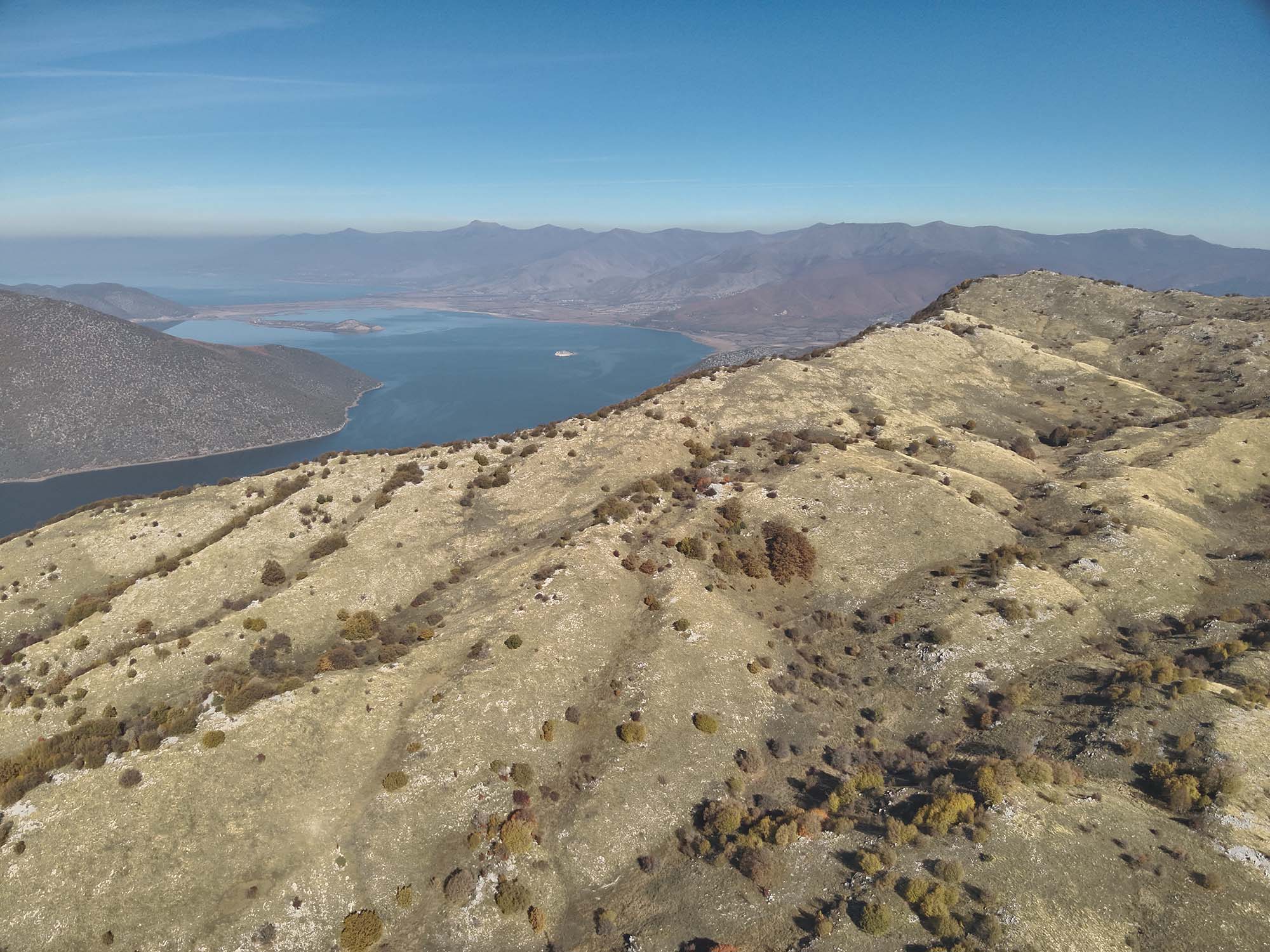
The area of Prespa National Park and the other two NATURA 2000 sites, which extend across the mountain ranges that border it, constitutes one of the most important areas for biodiversity in Greece and the Balkan Peninsula, with many species of flora and fauna (birds, mammals, reptiles, and freshwater fish) of global and national interest recorded in the area. The region also exhibits a particularly high rate of endemism.
The creation of the digital database fungiprespaedatabase.gr is a pioneering effort to collect and organize information regarding the fungal species recorded in the Prespa National Park and surrounding protected areas, as this important aspect of Prespa is being highlighted for the first time.
To date, existing knowledge about the region’s mushrooms has been limited to static information on a very small number of species. This project aims to create a dynamic online database that allows for the continuous addition and updating of information, as well as access not only to scientific personnel but also to a segment of the nature-loving public seeking these species from around the world.
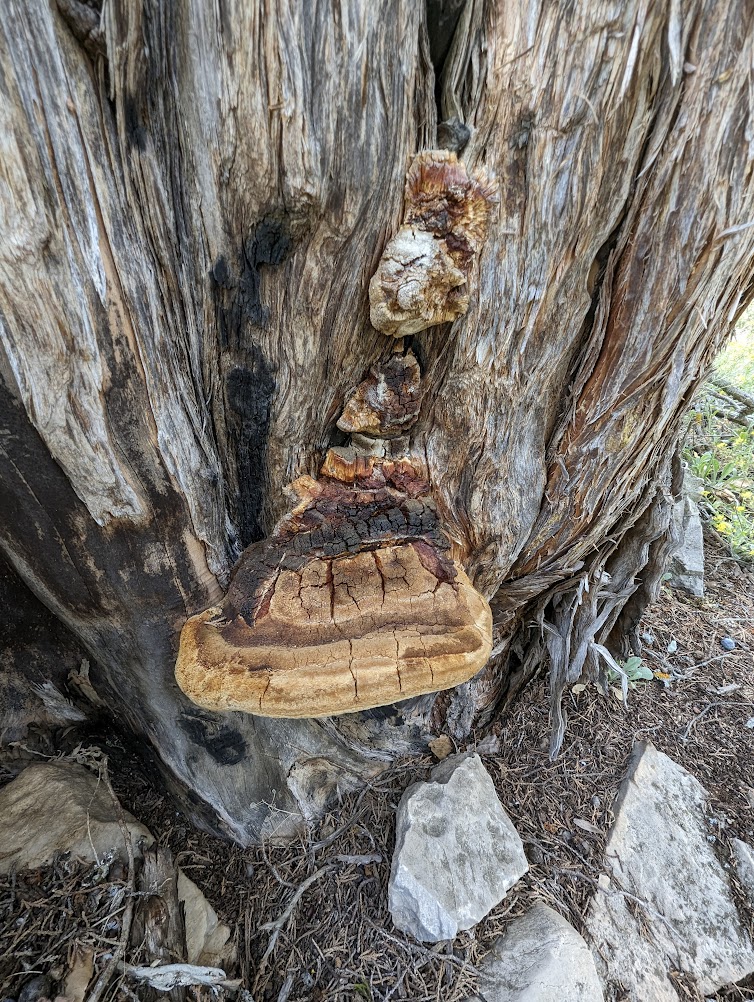
It is worth noting that among the rare mycofloral wealth recorded in Prespa, there are coexisting species of mushrooms and truffles, many of which are first-time records for Greece, such as Pyrofomes demidoffii, Morchella angusticeps, and some global records, such as Gautieria morchelliformis var. Fageticola and Gautieria fenestrata.